
Simon Giutronich
HEAD OF SALES SMART INFRASTRUCTURE

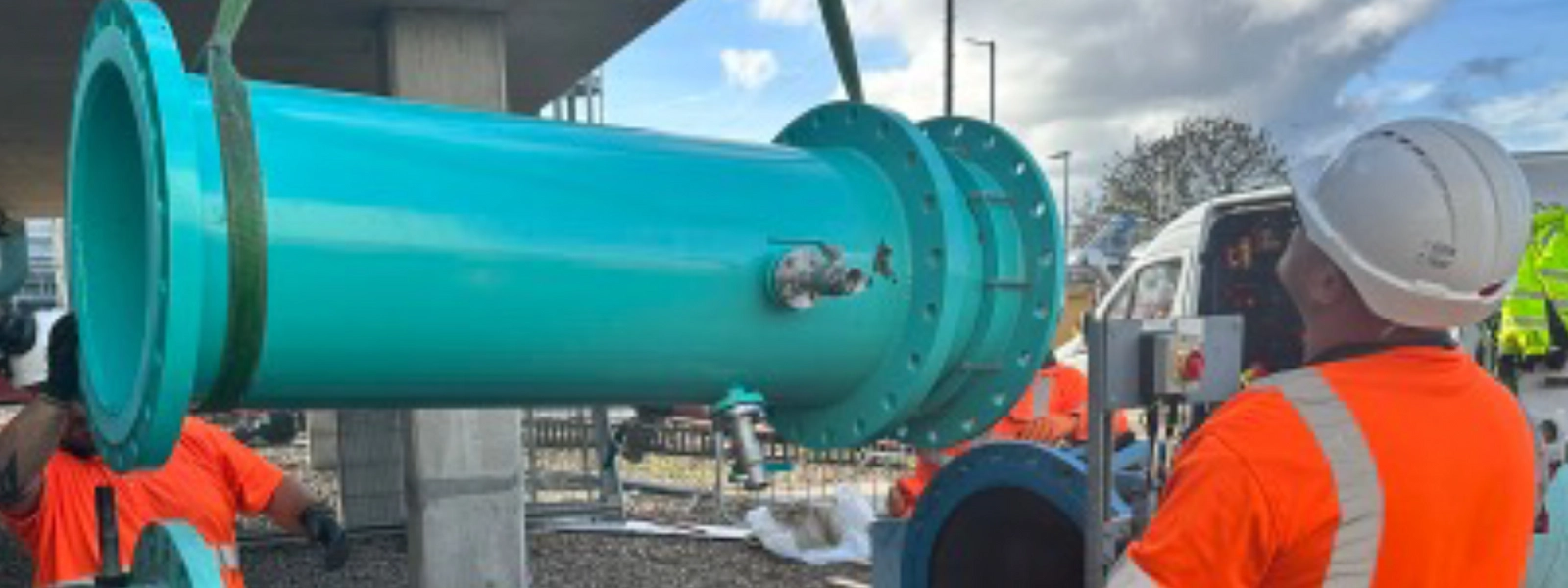
Many sewer networks are still operated with limited transparency. Critical conditions often only become visible when the system has already reached its limits – for example, during heavy rainfall, high inflows, or unexpected overflows.
Especially in such situations, the availability of precise real-time data determines how quickly and effectively operators can react.
For a large European wastewater disposal company, a solution was therefore implemented that enables reliable real-time monitoring of hydraulic processes – without affecting ongoing operations or fundamentally rebuilding existing infrastructure.
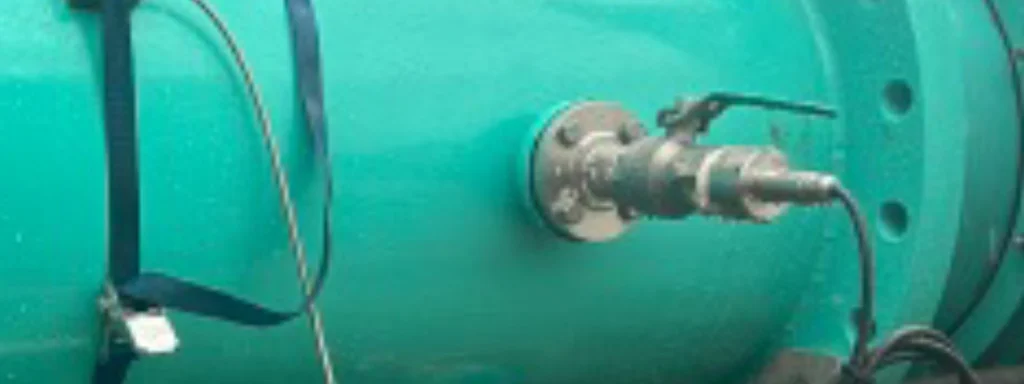
Kanalis Multi-Path technology and Q-Eye PSC sensor systems were used. This allowed the existing infrastructure to continue to be used while significantly improving transparency regarding the behavior of the sewer network.
The solution enables precise recording of flow data and helps to identify critical capacity limits early on.
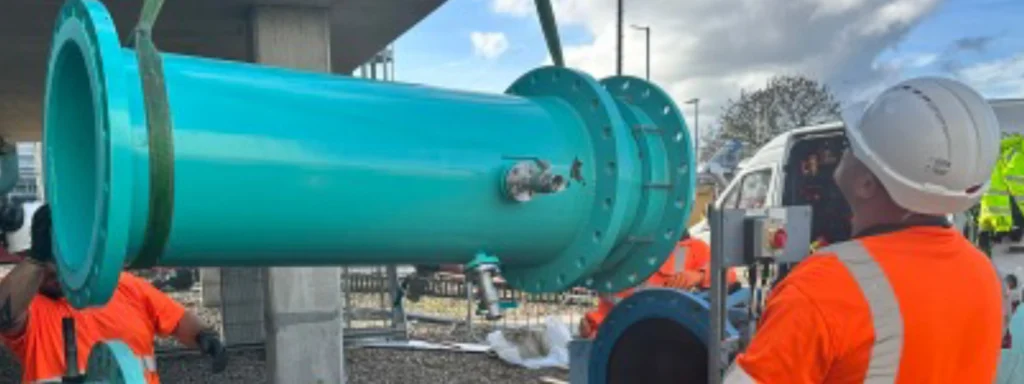
However, the real added value does not arise solely from the sensors, but from the resulting possibilities for action within the company.
Continuous transparency of hydraulic processes allows for earlier detection of overflows, stabilization of operational processes, and more efficient control of energy-intensive processes. At the same time, the database supports compliance with regulatory requirements in a more secure and traceable manner.
A key factor in the project was the seamless integration into existing SCADA systems. This allowed real-time data to be directly incorporated into existing operational and monitoring processes – without major construction work or operational interruptions.
The implementation demonstrates how modern measurement systems can intelligently expand existing sewer networks without requiring complex infrastructure measures.
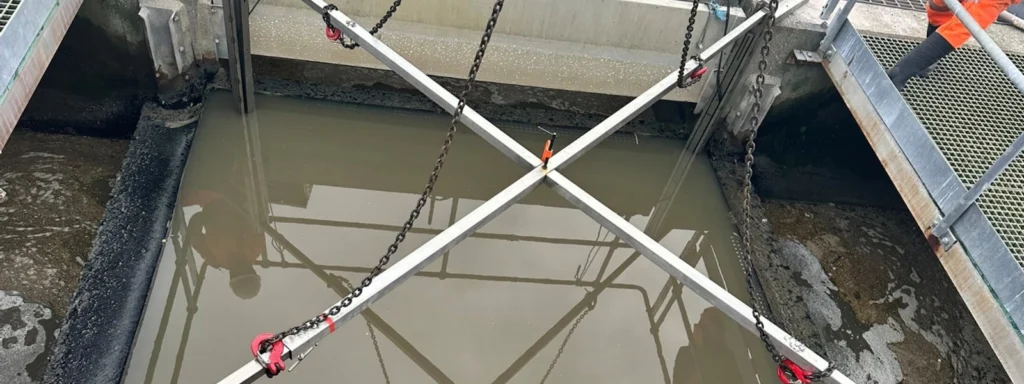
Modern sewer networks today require not only more data, but also intelligent measurement and analysis systems that enable concrete operational decisions based on data.
Because if critical conditions are only recognized after they have already occurred, proactive control is no longer possible – only reactions to problems are possible.
Leave your contact details. You will receive the requested document immediately at your email address. Your data will not be used for advertising purposes without your consent.