
Dr. Jürgen Skripalle
MANAGING DIRECTOR CENTER OF COMPETENCE AFM

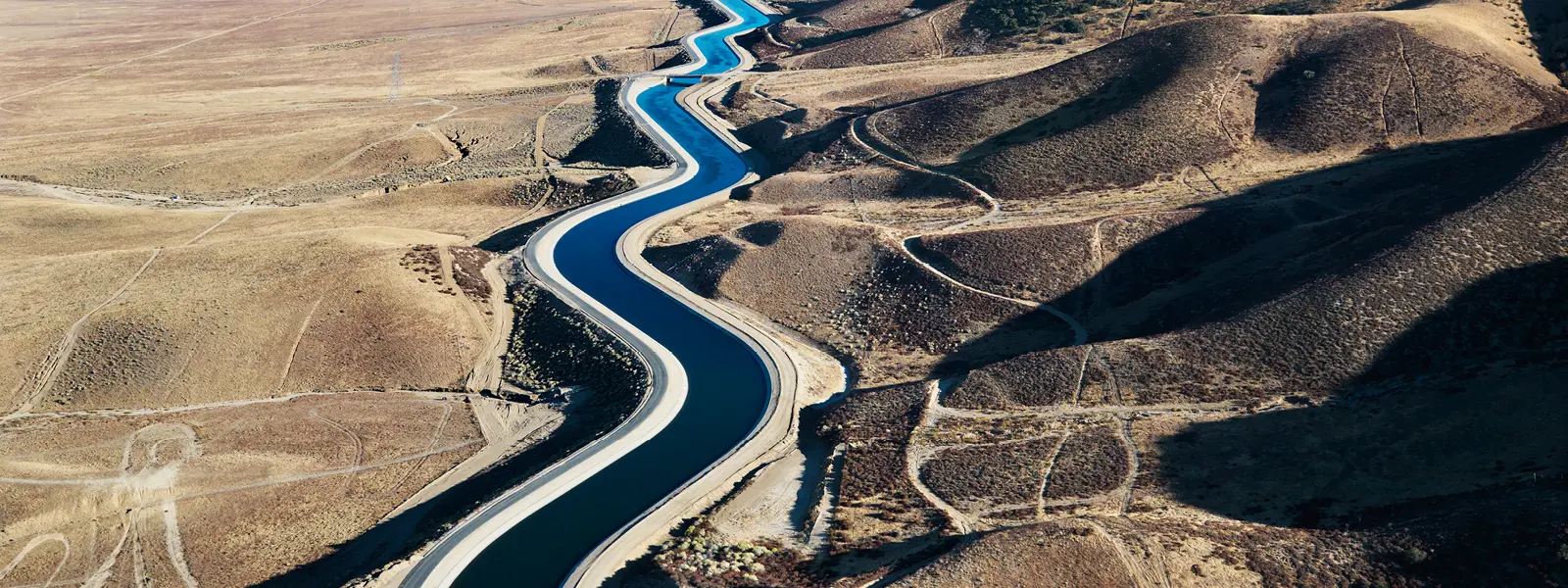
Water is the most critical input in irrigated agriculture. Around the world, irrigation systems sustain the production of staple crops and support the livelihoods of billions of people. In many regions, especially in arid and semi-arid climates, the productivity of agriculture depends almost entirely on artificial water distribution networks composed of reservoirs, diversion structures, and extensive canal systems. Yet despite the immense importance of irrigation canals, the quantity of water flowing through these systems is often poorly understood.
Accurate measurement of water in irrigation canals is therefore not simply a technical exercise. It is a cornerstone of sustainable water management. Reliable flow measurement enables irrigation authorities to allocate water fairly between users, minimize losses in distribution networks, and operate canal systems efficiently under changing environmental and operational conditions. At the same time, the technical challenges associated with measuring open-channel flow have historically limited the deployment of reliable monitoring systems.
In recent decades, advances in measurement technologies have significantly improved the ability to monitor irrigation systems in real time. Velocity-area sensors, and integrated digital monitoring platforms now allow canal operators to obtain precise flow data without altering canal geometry or interrupting water delivery. These technologies provide continuous insights into water distribution and support data-driven decision-making in irrigation management.
This white paper explores the science and engineering of irrigation canal flow measurement. It provides a comprehensive overview of measurement challenges, reviews established measurement techniques and explains how modern sensor technologies – particularly those developed by GWF – enable reliable, scalable monitoring of irrigation infrastructure. By combining robust instrumentation with digital data integration, irrigation authorities can transform traditional canal systems into intelligent water distribution networks capable of supporting sustainable agriculture in an increasingly water-constrained world.
Leave your contact details. You will receive the requested document immediately at your email address. Your data will not be used for advertising purposes without your consent.