Marlene von Tiesenhausen
Project Manager Marketing & Communication
The biggest challenge for modern irrigation networks today is no longer the availability of water, but its efficient distribution.
When millions of cubic meters of water have to be transported over long distances, energy consumption and operating costs increase significantly. At the same time, many networks lack transparency regarding how much water actually arrives at the desired location.
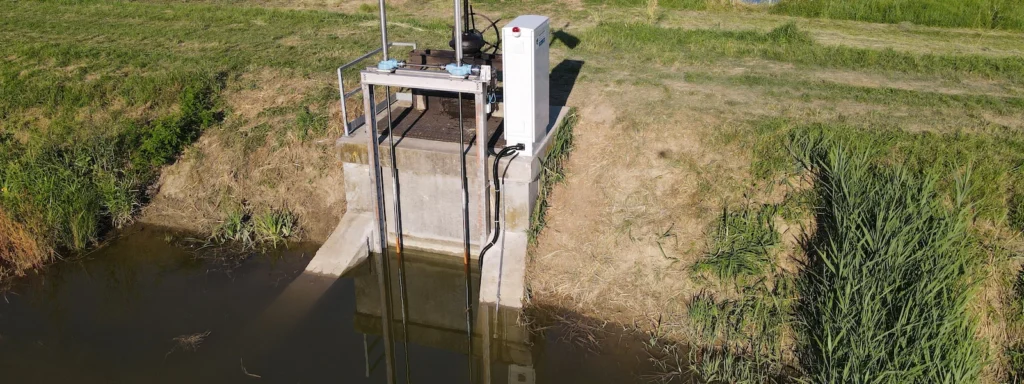
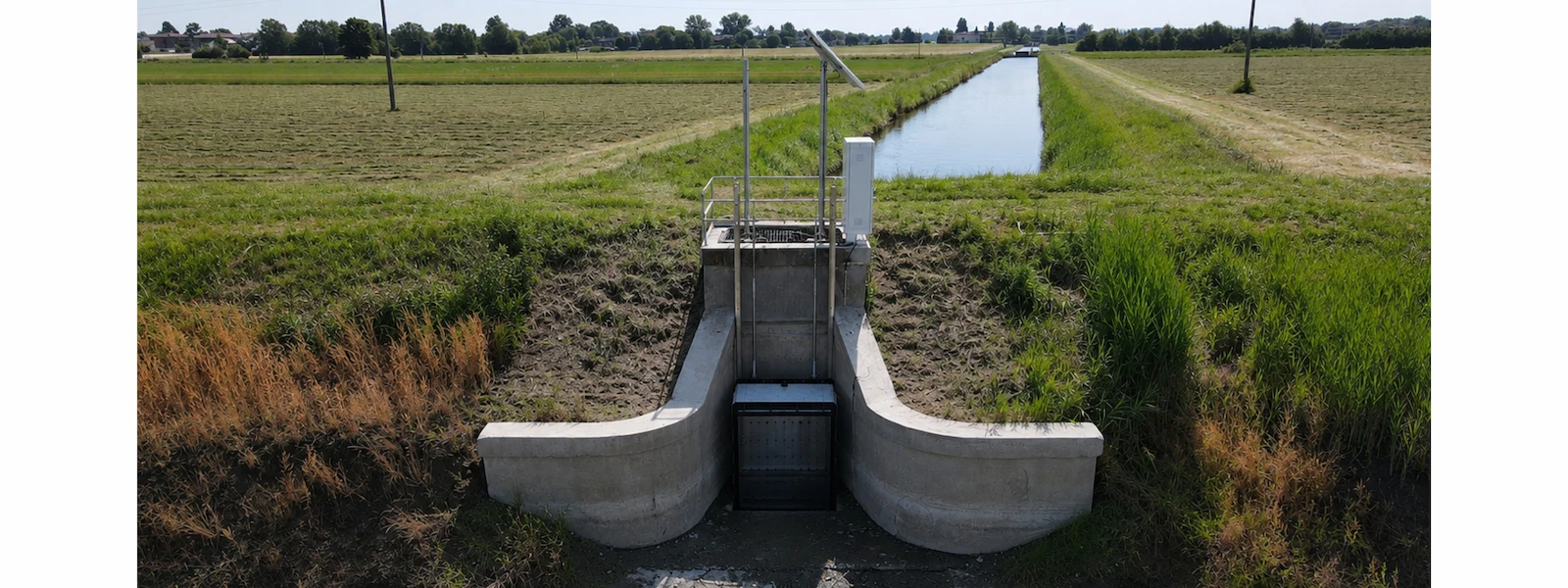
An innovative infrastructure project in Italy addresses precisely this issue. An existing sewer network is being comprehensively modernized and equipped with automated sluice gates.
The crucial step: For the first time, flow measurement technology is integrated directly at the gates. Modern sensors continuously and across multiple paths record the flow rates at central control points in the network – without affecting the ongoing operation of the channels.
This gives operators, for the first time, a precise real-time overview of the actual volumes of water being transported.
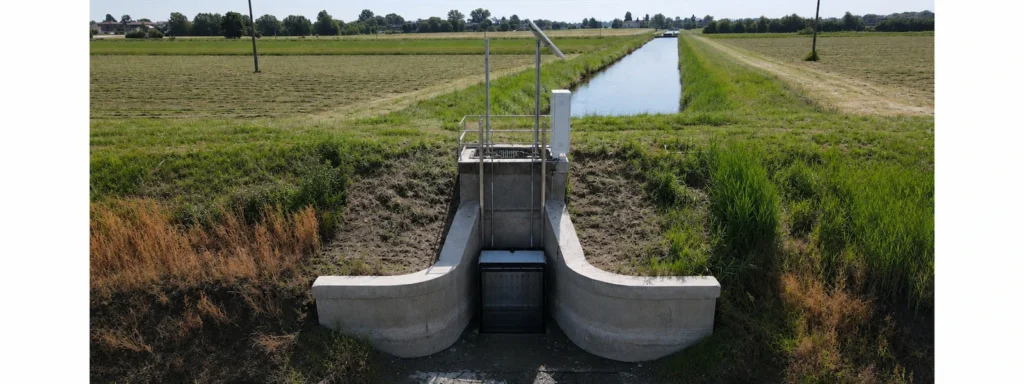
The collected measurement data allows for the reliable control of the entire network. Water distribution, operational management, and energy consumption can be specifically optimized.
The operator's expectations are correspondingly high:
Flow measurement at irrigation sluices was long considered a challenging task. Turbulent flow conditions, fluctuating water levels, and complex installation situations made reliable measurement difficult.
However, modern measurement technologies now enable precise and robust solutions even under demanding operating conditions.
The future of irrigation infrastructure does not lie in larger canals or more powerful pumps. Transparency, high-quality measurement data, and intelligent automation are crucial.
This allows water resources to be used more efficiently while sustainably reducing energy consumption and operating costs.