
Moritz Schneiter
Product Manager Electricity

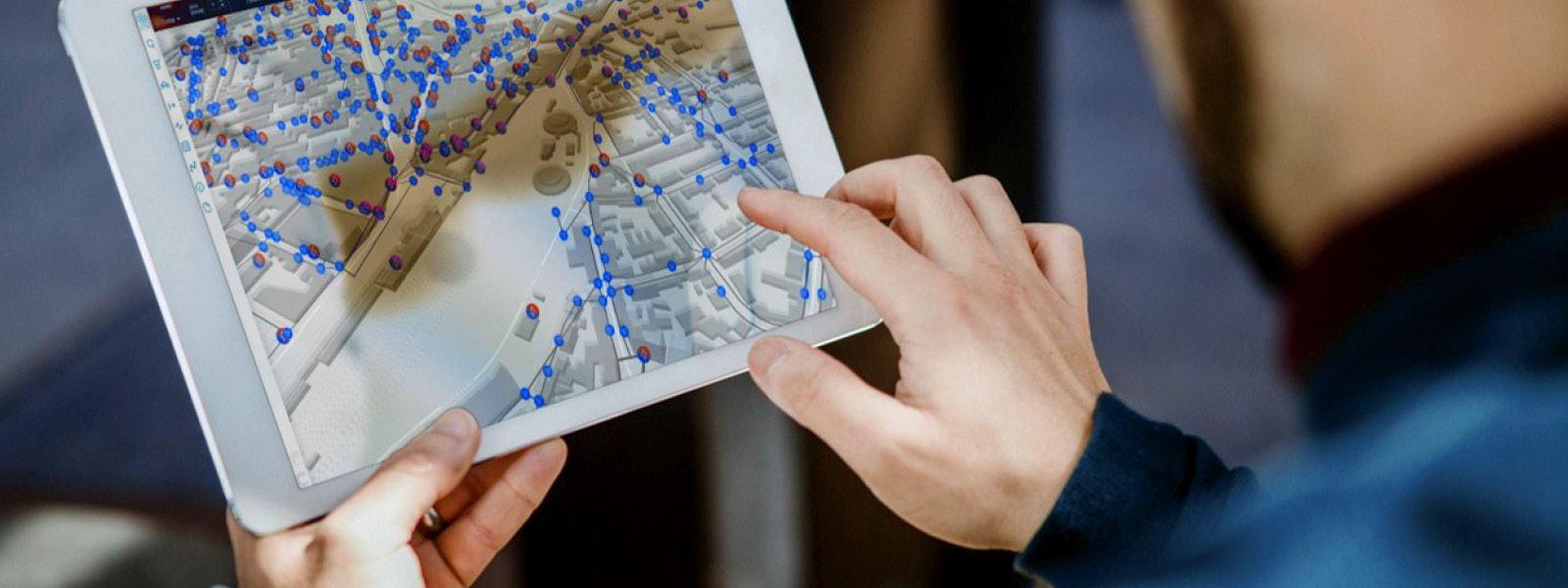
Digitalization is progressing continuously in the energy sector. Smart meters provide consumption data, SCADA systems record operating states, and GIS and ERP systems manage networks and facilities. The database is constantly growing – but so is the challenge of maintaining an overview.
The crucial question today is no longer how much data is available. What matters far more is whether it creates a complete and understandable picture of the network.
Many network operators possess a wealth of valuable data sources. However, this information often remains isolated within individual systems. For analysis, data must be aggregated, relationships remain hidden, and decisions are frequently based on only partial information.
Successful digitalization therefore does not end with data collection. Only the intelligent linking of all relevant information creates the basis for efficient network operation.
This is precisely where the digital twin comes in. It combines information from GIS, ERP, smart meter, SCADA and other sensor systems to create a shared digital representation of the utility network.
This creates a unified view of network infrastructure, assets, and current operating states. This forms the basis for:
The digital twin makes complex relationships visible and helps network operators to make informed decisions faster and more securely.
To validate this approach under real-world conditions, GWF is currently working with a Swiss utility company on a pilot project. The goal is to merge existing data sources into a digital twin and evaluate the added value for daily network operations.
The findings from this project should show how integrated data platforms can help utility companies operate their networks in a more transparent, efficient and future-proof manner.
The digitization of a utility network does not begin with more data – but with its intelligent networking.
Leave your contact details. You will receive the requested document immediately at your email address. Your data will not be used for advertising purposes without your consent.